Intro
If you try enough free to play games, you eventually realize that most monetization models mean that if you want to play a game without paying, you will need to be extremely careful with your in game resources. This is often most true at the beginning of games, where you are given some amount of things for free to bring you in just far enough that you get into the main gameplay loop and are then left at a point where you are encouraged to pay into the game to progress further. Wasting these free resources puts you far behind where you can be, so when I start playing a game, I try to look for some information beforehand.
When I started Warframe, I found 13 years worth of beginner’s information, a lot of which was very helpful, but it was all spread out across many different videos and comments, many of which weren’t relevant anymore. This is my attempt at trying to organize what I would have liked to know before starting and putting it all in one place. This is meant to only cover the very early game, just enough so that people can get their feet under them without sabotaging themselves.
What is Warframe?
At its core, Warframe is a looter shooter that builds up into a power fantasy game. You get equipment, make it stronger, and watch yourself go through enemies faster each time you do a mission. Warframe has also been around for 13 years though, and they’ve experimented a lot during that time. If you want, you can ignore the main gameplay loop and ride around on a hoverboard doing tricks to earn reputation with the vent kids as soon as you unlock it a few hours in. The amount of systems in the game do mean that they’re not all very fleshed out, as it seems like Digital Extremes is the kind of studio that is willing to try something, and if it doesn’t work out just move on and try the next thing, but they’re all worth giving a shot at least. The amount of content also means this game is a marathon. Don’t burn yourself out in the first few days.
Is Warframe pay to win?
Not really, it’s more pay to skip time or content. Most everything in the game is obtainable through normal gameplay, and there is also player-to-player trading so you can get the premium currency without paying real money.
Does Warframe have servers?
Lobbies are peer to peer connections. Warframe is also cross platform. The game is always online. Missions can be done solo, with open lobbies, or with parties you assemble beforehand. Open lobbies will often have higher level players join to help, but that often means they finish the level before you even get started. If you want to play through something slowly, be sure to set it to solo. You can always exit and switch if things aren’t going well. If the host of a lobby leaves, the game will make another player present become the host, and might reload for a few moments.
Movement
One of the things that make this game unique is that you can go very fast if you want to. The tutorial will teach you specifics but once you get used to things you get into a rhythm and will almost never be just running somewhere. Specifically, bullet jumping and aim gliding will help you keep up with other players while you work through maps.
Warframes
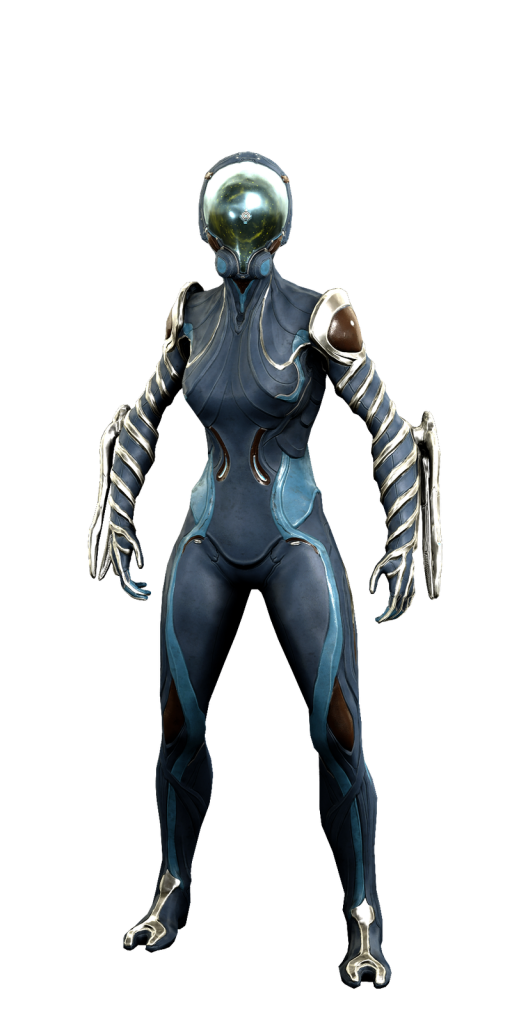
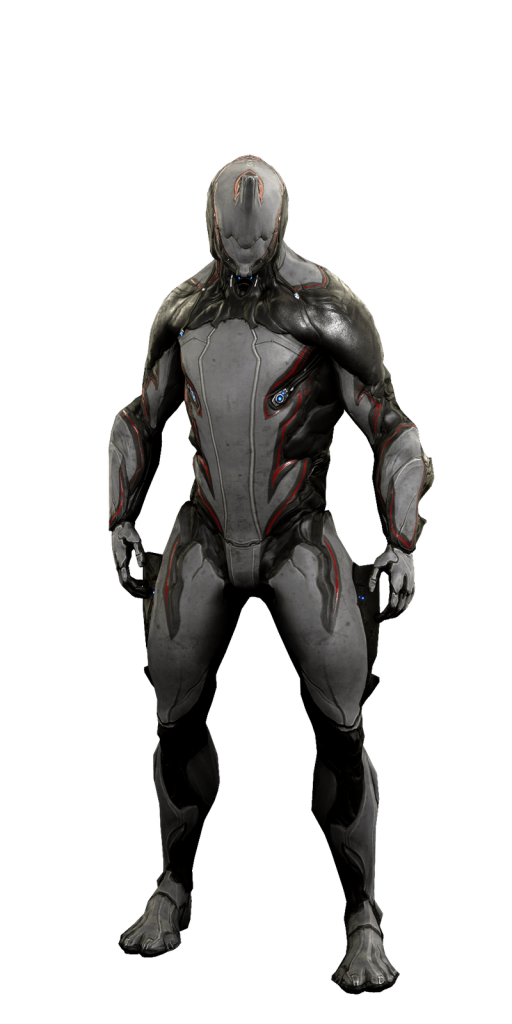
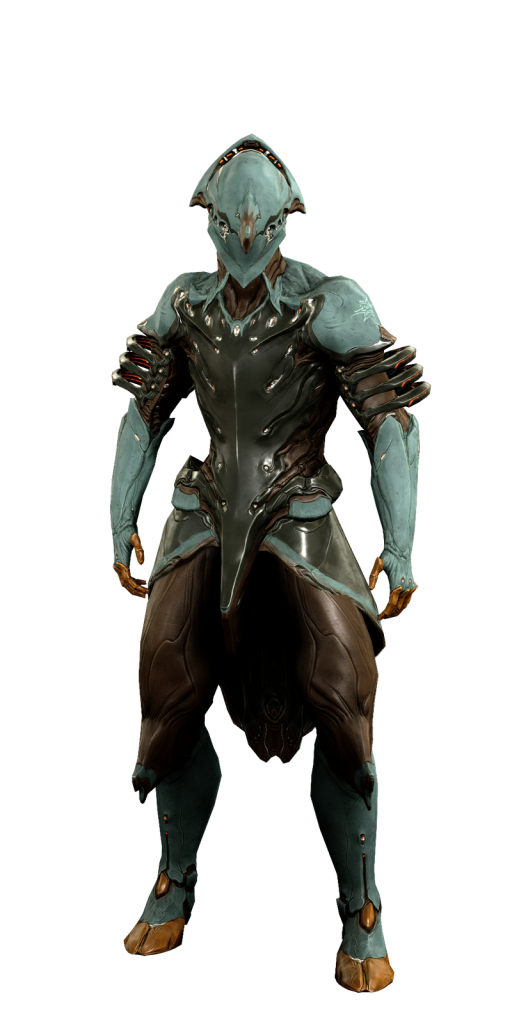
Warframes are like champions or classes in other games. They each play differently but fit into general archetypes like tank, support, and dps. They each have a passive ability and 4 activated abilities. These can be altered slightly later in the game, but it’s not something you need to worry about at the start, you’ll know when you get there. As of writing, there are 63 warframes, each with their own theme. Until you get to the endgame they’re all viable, so prioritize getting the ones that seem interesting and fun to you. You can check out the full list here.
https://wiki.warframe.com/w/Warframes
Get used to that wiki, you’ll probably be needing it a lot. If you don’t know what’s going on, just look it up.
At the start of the game, you get a choice between Volt, Mag, and Excalibur. As mentioned, they’re all fine options, but if you really want to squeeze as much value as you can out of the beginning, I believe Volt performs the best as you transition into endgame content. Whichever you choose, you can get the other two fairly easily. Mag and Excalibur have parts that drop from bosses, and Volt can be purchased from a shop when you join a clan, this game’s version of guilds. You will end up with many warframes, so don’t spend too much time thinking about this, you might find your favorite is something completely different.
Basic Equipment
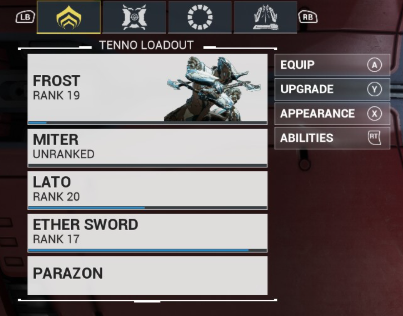
You get a primary weapon, a secondary weapon, a melee weapon, and a utility tool/dagger.
You also get a companion slot, and a weapon for your companion.
You will unlock more types of equipment, like a space suit and space ship, but that’s out of scope for this guide.
Companions
Companions can be robots or animals. You get a robot for free pretty early, and there’s also a relatively early quest to get your first pet. They can be useful for a lot of things, but in the early game their biggest benefit is that they can pick up items for you.

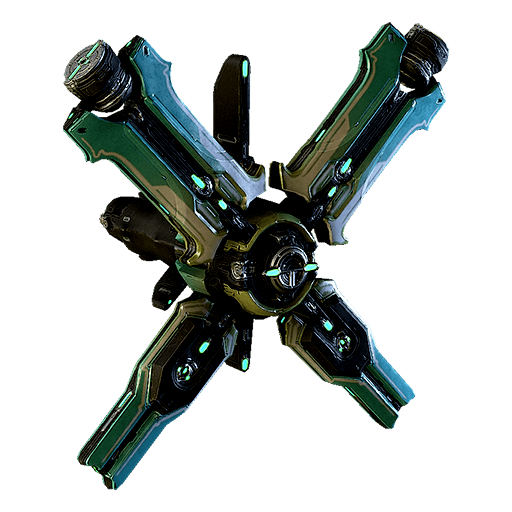
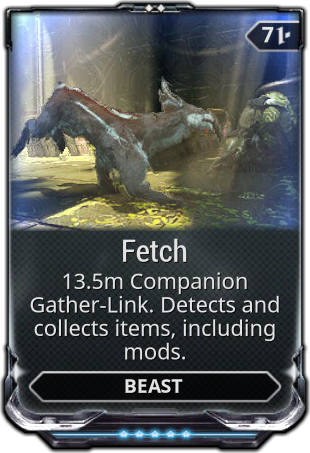
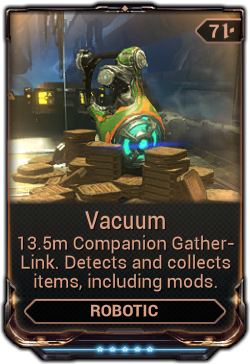
Be sure to level up the mod that extends the range they do this in (Vacuum for robots, Fetch for animals), otherwise you will have to walk over each thing you want to pick up, and that gets very tedious quickly.
Star Chart and Junctions
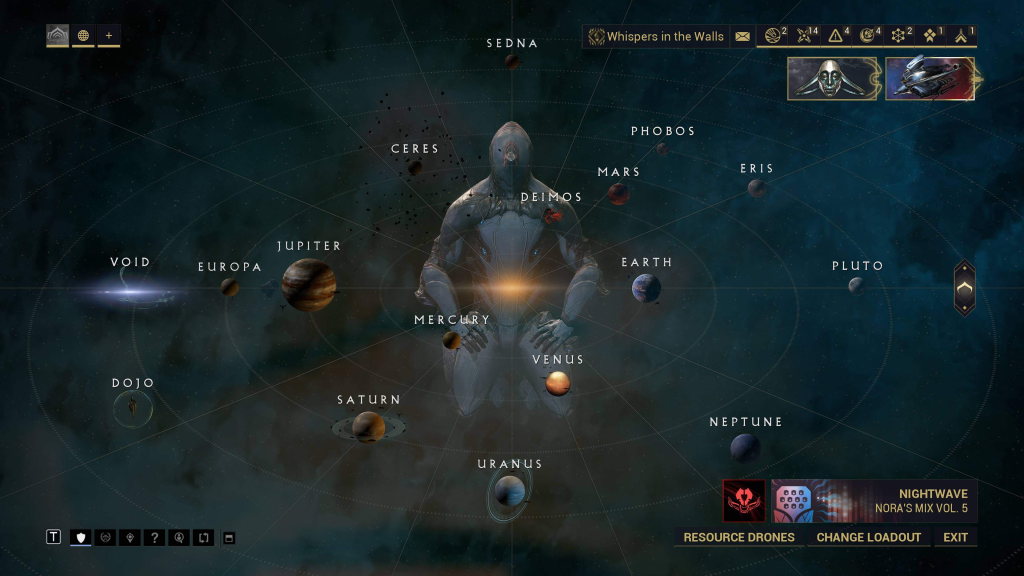
The star chart is the map of the universe. Each planet has nodes on it that represent missions on them. To make your way from planet to planet, you need to complete missions to follow a path between Junctions. The Junctions will also have some requirements that you will need to fulfill. Once you have, you have a mini boss fight and then get access to the next planet. The junctions also usually give you some rewards.
Mastery rank
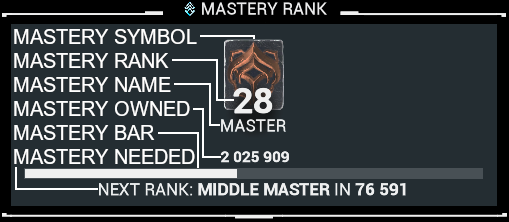
This is the closest thing to an account level. Every time you use a thing you can equip, you gain some affinity with it until it gets to level 30, with some rare exceptions going up to 40. For each level you get on the item, you get some mastery rank points. Once you get enough points, you do a trial to rank up to the next mastery rank. Mastery rank unlocks more weapons until you get to 17, after which you mostly gain quality of life improvements. Your account mastery rank goes up till 30, after which there are 5 ‘legend’ ranks.
One of the more basic loops in the game is getting a new item and ranking it up to 30. During the process, if you decide you like it, you can keep it and invest more resources into it. If you don’t, you can sell it once you’ve gotten all the mastery points out of it. Variations on a weapon count separately in terms of accumulating mastery points. For example, the MK1-Braton, the normal Braton, and the Braton Prime all have their own affinity and can each give you a weapon’s worth of mastery points.
(Quest) Items and Crafting
Do NOT sell any weapons or warframes that you get from quests. Some of the stuff you get for free early can carry you pretty far and it’s a pain to get back if you lose it. There are some exceptions, but this is a good rule for the most part.
Don’t sell anything until you max level it and get all the mastery points you can from it. You’re gonna hate some weapons and frames but it’ll go fast once you figure things out.
Some weapons are needed to craft another weapon so check the wiki to see if you should keep it until you’re ready to build the new weapon.
Managing your weapon slots is one of the pain points in the game because they want you to spend real money on getting more. You’ll get some for free but you still need to think a second to make sure you can hold everything you want to or you might have to sell something you don’t want to.
Your crafting area (Foundry) can act like a pseudo storage. Once you start creating an item, it builds automatically, and you can build multiple things at once. When items finish, you can leave them there, not collecting them until you have the extra space you need. The first items you can craft don’t take too long, but soon you will have minimums of 12 hour crafting times, making it important that you fall into a rhythm where you pretty much always have something crafting.
Mods
Warframes and weapons and companions all come with their own stat lines and effects but they also come with ‘capacity’ that you can spend on mods. This isn’t permanent, but if you fill your capacity for something, you’ll have to either find a way to expand it, or take a mod out to install another one. Mods can do a lot of different things, from basic +% health for your Warframe or +% damage on rifles, to ultra specific mods that only work one one weapon and have challenges you need to do to even reveal what the bonuses are. There are a lot of different kinds of mods, you will constantly be finding new ones and copies of ones you already have from all sorts of sources, including enemy loot, mission rewards, and shops.
Mods can be powered up but each level makes them take more capacity and costs more to rank up each time. You don’t need to max rank everything at the beginning but it’s (usually) better to have a couple mods ranked up than a bunch at rank 1.
Mods have a symbol on them, called polarities. Mod slots in your equipment also sometimes have a symbol. If you match the symbols the mod capacity cost is cut in half. Endgame builds have setups where every slot has a symbol with a mod that matches to maximize what you can get out of the space but that’s far away.
If you have duplicate mods, dissolve them for endo. You should almost never sell them for credits.
Potatoes and puzzle pieces
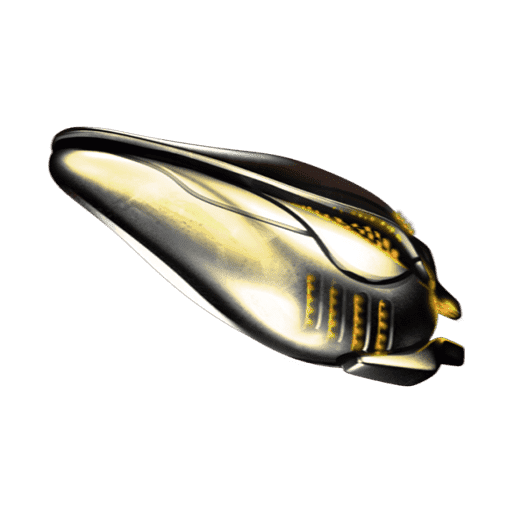
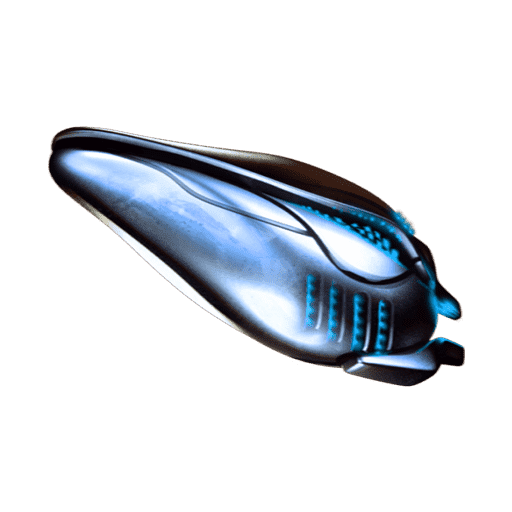
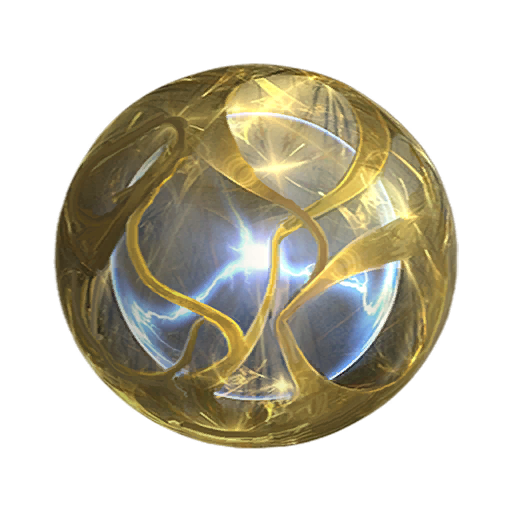
One way to increase capacity on an item is using something called an orokin catalyst on weapons, or orokin reactor on frames. Each doubles the capacity of the item they’re installed in. Once it is installed, they cannot be removed. Each item can only have one put into it. People sometimes call these potatoes.
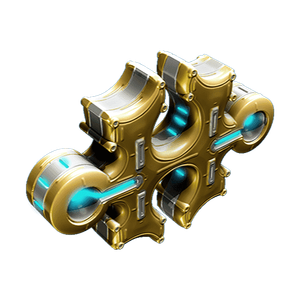
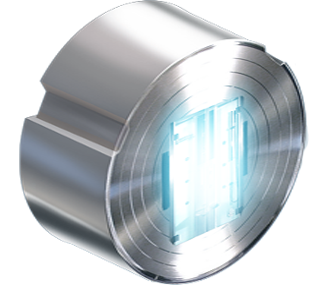
Forma are things that look like puzzle pieces. If a piece of equipment is at rank 30, you can use a forma to reset its rank back to 0, while being allowed to add a polarity of your choice to a mod slot on the item. Leveling it back up doesn’t give you any more mastery points, but you can forma it again if you get it back to 30.
Most of the free weapons you get from various sources will come with a weapon slot and a catalyst already installed. This is another reason not to sell quest items.
Status Conditions
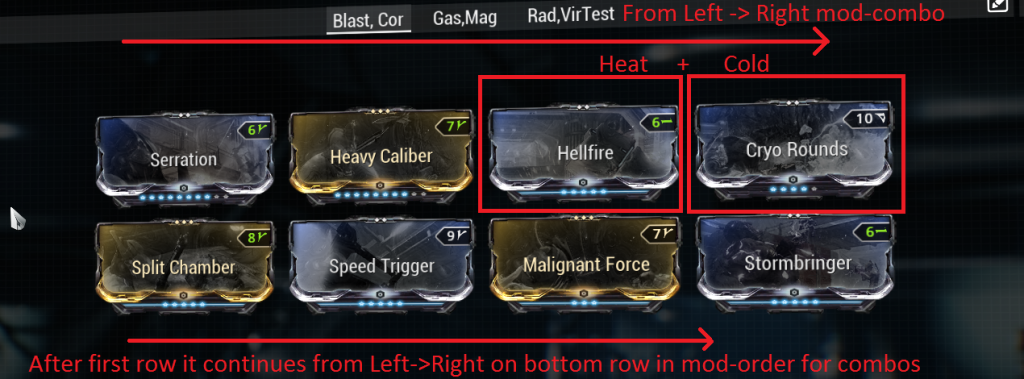
One of the types of mods you will get are ones that add specific kinds of damage to your stats. These can be broken up into elemental statuses, and physical statuses. The physical statuses are puncture, slash, and impact. The elemental statuses are heat, cold, electricity, and toxin. The four elemental statuses can also be combined into pairs to create compound status effects. There’s a lot of math that I won’t get into here, but this is a quick rundown of what each status does. A generic combination that works well is viral and heat, but each status does more damage to certain kinds of enemies, so if you’re having trouble with something, check the recommended damage types.
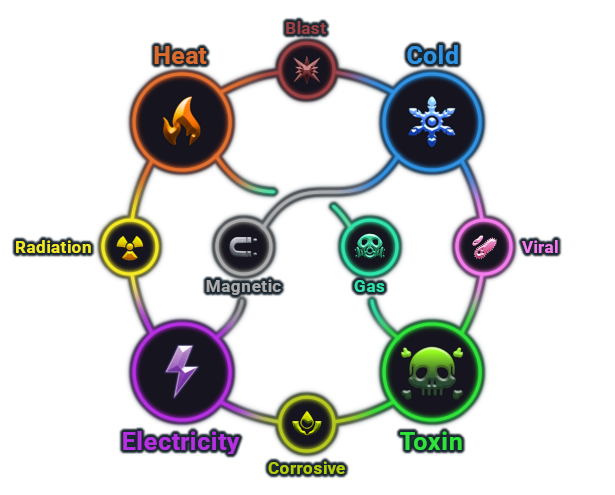
- Heat: Deals damage over time and strips armor.
- Cold: Reduces enemy movement speed, fire rate, and attack speed. Enemy receives increased critical multiplier damage. With enough stacks, the enemy is frozen solid.
- Electricity: Deals damage over time in an area of effect, and stuns enemies.
- Toxin: Deals damage over time and bypasses shields.
- Blast (Heat + Cold): Deals damage to a target after a delay. If enough blast is applied, or the target dies, the target will explode and do damage to nearby enemies.
- Corrosive (Electricity + Toxin): Reduces enemy armor.
- Gas (Heat + Toxin): Damage over time in an area of effect.
- Magnetic (Cold + Electricity): Amplifies damage done to enemy shields. When an enemy’s shield is broken, also apply bonus Electric damage.
- Radiation (Heat + Electricity): Enemies attack and are attacked by other nearby enemies.
- Viral (Cold + Toxin): Amplifies damage done to the enemy’s health.
The three physical status types are:
- Impact: Causes targets to flinch and staggers movement, allows for mercy kills at higher health thresholds.
- Puncture: Reduces any damage dealt by enemies. Enemies receive an increased chance to take crits from your weapons.
- Slash: Deals damage over time. This damage bypasses armor.
Quick Framework for Weapon Modding
+% flat damage is always good, so is multishot. After that, look at the weapon’s base stats. If it has 15% or better base critical chance, focus on mods that will take advantage of that, like increased crit chance, and crit damage. Same thing for status chance, if it has 15% or more, focus on that. There are some guns that have both, or neither. It’ll be up to you to figure out what works best with that specific weapon and any unique characteristics it has.
Currencies
There are three major currencies to think about at the beginning, credits, endo, and platinum. Credits are your basic currency, like generic gold in most games. It drops from pretty much everything and you’ll get a good amount just passively playing. Endo is a bit more rare, but still drops from enemies and is used as mission rewards. You need credits and endo to rank up your mods. Platinum is the premium paid currency. You can spend real money on it if you want to, but you can also sell items to other players for platinum to get it instead.
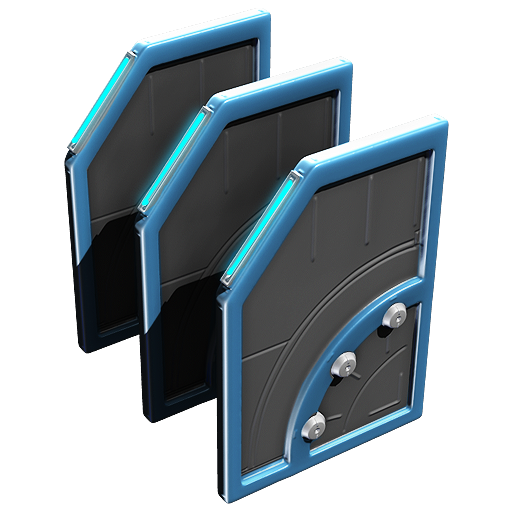
You get 50 free platinum when you start the game. This platinum cannot be used for player to player trading. Use this to buy 1 warframe slot, and 2 bundles of weapon slots (4 total) from the market. It should cost 44 platinum, leaving 6 left over.
The only thing you really need to spend platinum on are warframe and weapon slots. The rest is either cosmetic or just a way to skip over grinding something.
The Market
When you open the market for the first time, it can look like everything can only be bought in platinum. To see what you don’t need platinum for, click the 3 buttons in the top left to hide items you already own, items you’ve already mastered, and items that don’t have a blueprint. This should leave only items that have a blueprint that can be purchased with credits.
Primes
A lot, but not all, items have a ‘Prime’ variation. Primes are strictly better than their base versions. If you have a choice of putting resources into a base variant of something or a prime variant, you should choose the prime.
Not all primes are available at all times. As time passes, primes get ‘vaulted’ as new ones become available. To get vaulted primes, you need to either buy them from people who were around when they were available, or wait till they come back into rotation in a specialty store.
Void Relics
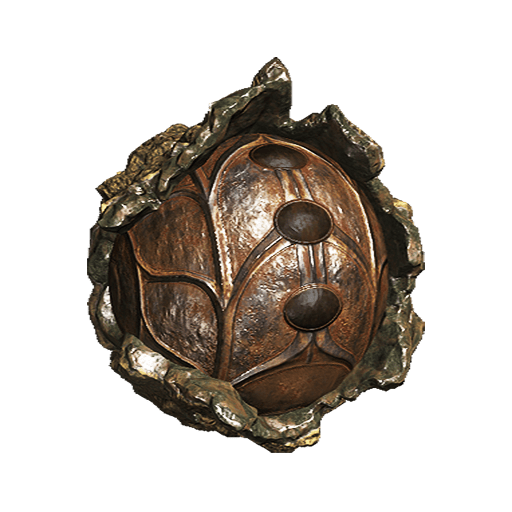
These are how you get prime parts to build prime items. They’re kind of like lootboxes but you get a lot of them just by playing and they don’t need anything special to open them. There are different tiers of void relics. To open one, you do a void mission that matches the tier of the relic you’re trying to open. If you complete the mission successfully, your relic opens to give you an item. If possible, you should always do these in groups of 4 (the maximum party size). This allows everyone in the party to pick any of the 4 items that are revealed, including multiple people picking one item. By doing the mission with more people, the chances of getting a rare drop go up. During these missions, you will also pick up items called void traces. Void traces can be applied to a relic before starting a mission, and doing so will increase the odds of getting a rare item.
Nightwave
This is Warframe’s free battle pass. It doesn’t last for any set amount of time, the developers give a 2 week warning heads up when they end each season.
You do challenges to get experience and level up the pass. This is important for free to play players to do since the pass gives you some valuable things like a warframe slot and a weapon slot. The pass also awards you credits you can spend in a shop that has a weekly rotating inventory. This is another way to get orokin catalysts and reactors, but the most important thing you can purchase is an item called nitain extract. This is a required ingredient for many pieces of equipment, and the odds you gather enough naturally through the few other methods are near zero.
Clans
Clans are this game’s version of guilds. It’s important to join a clan because they hold access to different labs, in which you can buy unique weapons and warframes for credits. Some of them take themselves very seriously, but there’s also a lot that require nothing from you.
Relays
Outside of missions and clan dojos, this is where people can gather and interact. If you ever need to walk away from your computer for a few minutes, be sure to go to the relay on Earth first. Once a player reaches mastery rank 30, they can use a blessing on a relay, giving everyone present boosted rates for things like affinity gain, credit drops, resource groups, and some other stats. This happens pretty often, there’s a decent chance you’ll come back to a booster applied on you.
First Steps
Play the game how you want, this is just a suggestion on what to do first if you don’t have any other ideas.
Before you do anything, check your settings, there are a few things I changed. Your alternate fire/heavy attack keybind defaults to your scroll wheel, which isn’t very convenient to click. There’s a setting that makes semi-auto weapons work like full-auto ones. You can disable screen shake. You can set enemy and ally highlights if you can’t see what’s going on very well. You can display your ping and FPS. The rest is going to depend on personal preference and playstyles.
First do the tutorial and the quest The Teacher. Get used to moving around.
In the early game, breaking containers and opening lockers is a decent way to get some materials and credits quickly. Sometimes these will drop something called ayatan stars. Pick them up and hold on to them, they’ll be useful as a source of Endo later.
Work your way to Venus through the nodes on Earth and the Junction. You’ll be completing Junctions to unlock each planet.
Make sure you’re remembering to mod your equipment and rank things up. Aura mods like Dreamer’s Bond increase your warframes capacity, letting you add even more mods.
Kill the boss on Venus till you have the parts to craft your first new frame, Rhino. Rhino is very good, and nearly impossible to die with. If you’re ever struggling with something, Rhino is a good fallback (or main).
Make your way to Mars. When you get there, the path will split into three directions. Deimos continues the main story, while the other two let you explore more. It’s up to you to decide what to do from here. If you’re ever lost, the top right has a suggestion box on what you can do next.